
Online wilderness navigation tutorials take center stage, offering a gateway to mastering essential navigation skills through digital platforms. From understanding the importance of these skills to exploring real-life applications, embark on a journey that combines knowledge and practicality.
Introduction to Online Wilderness Navigation Tutorials
Wilderness navigation skills are crucial for anyone venturing into the great outdoors. Whether hiking, camping, or backpacking, knowing how to navigate through unfamiliar terrain can mean the difference between a successful trip and getting lost.
Learning navigation techniques online offers numerous benefits for outdoor enthusiasts. With the convenience of accessing tutorials from anywhere with an internet connection, individuals can enhance their skills at their own pace and on their own schedule.
In today’s digital age, online tutorials play a significant role in providing valuable resources for learning wilderness navigation. From basic map reading to advanced GPS technology, these tutorials cater to a wide range of skill levels and equip individuals with the knowledge they need to navigate safely in the wilderness.
Types of Online Wilderness Navigation Tutorials
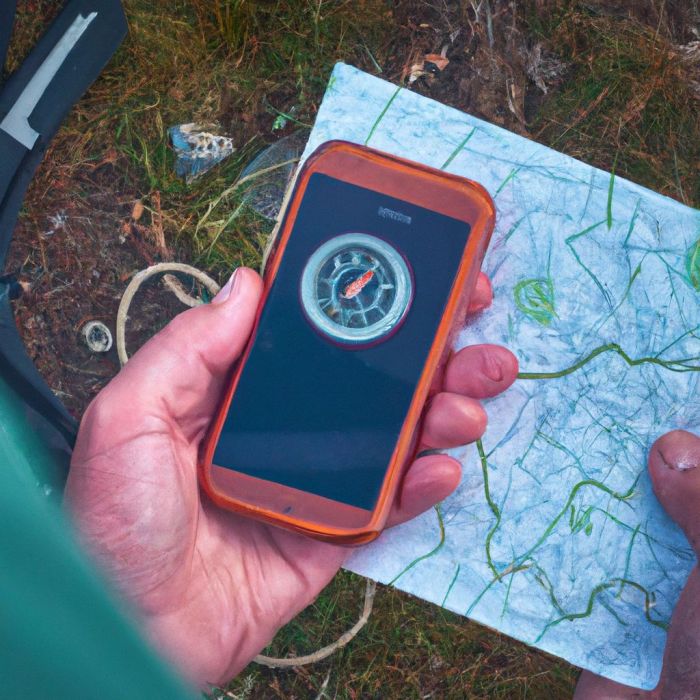
Online wilderness navigation tutorials come in various formats, each offering unique advantages in teaching navigation skills. Let’s explore the different types available and their effectiveness in catering to different types of learners.
Videos
Videos are a popular format for online wilderness navigation tutorials as they provide a visual and auditory learning experience. Viewers can follow along as instructors demonstrate navigation techniques in real-world scenarios. The visual cues and step-by-step instructions make it easier for visual and auditory learners to grasp the concepts effectively.
Articles
Articles are another common format for online wilderness navigation tutorials. They offer a more text-based approach to teaching navigation skills, providing detailed explanations, tips, and strategies. Articles are beneficial for learners who prefer reading and comprehending information at their own pace.
However, they may not be as engaging for visual or hands-on learners.
Interactive Courses
Interactive courses combine various multimedia elements like videos, quizzes, and interactive maps to create an engaging learning experience. Learners can test their knowledge, practice navigation skills, and receive instant feedback. These courses cater to different learning styles, making them effective for a wide range of learners.
Comparing Effectiveness
Each tutorial format has its strengths and weaknesses in teaching navigation skills. Videos are excellent for demonstrating practical techniques, articles are great for in-depth explanations, and interactive courses offer a comprehensive learning experience. The effectiveness of each format depends on the learner’s preferences and learning style.
Accessibility to Different Learners
Videos may be more accessible to visual and auditory learners, while articles cater to readers who prefer text-based learning. Interactive courses provide a blend of visual, auditory, and hands-on learning opportunities, making them suitable for diverse learners. The key is to choose a tutorial format that aligns with your learning preferences and helps you grasp wilderness navigation skills effectively.
Key Navigation Techniques Taught in Online Tutorials

Online wilderness navigation tutorials cover a range of essential navigation skills to help individuals safely navigate through unfamiliar terrain. These tutorials often focus on using tools like maps and compasses, as well as identifying landmarks and natural indicators for navigation.
Using a Map and Compass for Navigation
Understanding how to use a map and compass is crucial for wilderness navigation. Here is a step-by-step process:
- Begin by orienting the map to match the direction you are facing.
- Locate your current position on the map using identifiable landmarks or GPS coordinates.
- Determine your desired direction of travel and identify key features along your route.
- Use the compass to set a bearing towards your destination and follow that direction while referencing the map for any necessary adjustments.
- Regularly update your position on the map as you progress to ensure you stay on course.
Common Landmarks and Natural Indicators
Navigation tutorials often emphasize the importance of identifying common landmarks and natural indicators to aid in orientation. Some examples include:
- Mountain Peaks:Using prominent peaks to gauge direction and distance.
- Water Bodies:Rivers, lakes, and streams can serve as reliable reference points.
- Vegetation:Noticing changes in vegetation can help determine elevation and terrain.
- Rock Formations:Unique rock formations can act as distinctive markers along a route.
Real-Life Application of Online Wilderness Navigation Skills
Online wilderness navigation tutorials are not just theoretical lessons; they equip individuals with practical skills that can be lifesaving in real-life outdoor scenarios. Here are some instances where online tutorial knowledge proved invaluable:
Navigating Unfamiliar Terrain
One hiker, who had learned navigation techniques through online tutorials, found themselves lost in a dense forest during a solo trek. By recalling the lessons on map reading and using a compass, they were able to orient themselves and find their way back to the trail.
Emergency Situations
Another backpacker, equipped with knowledge from online tutorials on emergency navigation, was able to guide their group to safety when bad weather obscured the trail markers. By utilizing techniques learned online, they avoided getting lost and reached a safe location before nightfall.
Swift Decision-Making
A group of campers faced a sudden river swell during a camping trip, threatening to cut them off from their base. Drawing from their online tutorial experience, they quickly assessed the situation, identified a safe crossing point using the knowledge gained online, and successfully navigated across the river before conditions worsened.
Interactive Elements in Online Navigation Tutorials
Interactive elements play a crucial role in enhancing the learning experience in online wilderness navigation tutorials. They provide hands-on opportunities for learners to practice and apply navigation skills in a virtual environment, making the learning process more engaging and effective.
Simulations and Interactive Maps
Simulations and interactive maps are commonly used in online navigation tutorials to simulate real-world navigation scenarios. These tools allow learners to practice using maps, compasses, and GPS devices in a controlled environment, helping them develop practical navigation skills.
- Virtual compass and map exercises that require learners to plot courses, identify landmarks, and navigate through different terrains.
- Interactive quizzes and challenges that test learners’ knowledge of navigation techniques and their ability to apply them in various situations.
- Scenario-based simulations that present learners with navigation problems and require them to come up with solutions using their acquired skills.
Effectiveness of Hands-on Activities
Hands-on activities in online navigation tutorials are highly effective in reinforcing theoretical concepts and improving practical navigation skills. By engaging in interactive exercises, learners can apply what they have learned in a meaningful way, leading to better retention and understanding of navigation principles.
- Building virtual navigation routes by setting waypoints, calculating distances, and adjusting for elevation changes.
- Practicing orienteering skills by following map coordinates, determining bearings, and navigating to specific locations.
- Utilizing interactive tools to measure distances, estimate travel times, and plan efficient routes for outdoor expeditions.
Engaging Elements for Enhanced Learning
Online navigation tutorials often incorporate engaging elements to make the learning experience more interactive and enjoyable for learners. These elements serve to motivate and challenge learners, encouraging active participation and deeper engagement with the material.
- Animated tutorials that visually demonstrate navigation techniques and concepts in a dynamic and engaging manner.
- Interactive quizzes and games that provide immediate feedback and rewards for correct answers, making learning fun and rewarding.
- Virtual reality simulations that immerse learners in realistic wilderness environments, allowing them to practice navigation skills in a highly immersive and interactive setting.
Advantages of Online Wilderness Navigation Tutorials Over Traditional Methods
Online wilderness navigation tutorials offer several advantages over traditional methods of learning navigation skills. These advantages include convenience, cost-effectiveness, flexibility, and self-paced learning opportunities.
Convenience of Online Tutorials vs. In-person Classes
Online tutorials provide the convenience of learning from anywhere with an internet connection, eliminating the need to travel to a specific location for classes. This flexibility allows individuals to access navigation lessons at their convenience, fitting them into their busy schedules without the constraints of fixed class timings.
Cost-Effectiveness of Online Tutorials for Learning Navigation Skills
Compared to in-person navigation classes that may involve travel expenses, accommodation costs, and higher tuition fees, online wilderness navigation tutorials are often more cost-effective. Individuals can save money on transportation and accommodation while still receiving quality navigation instruction through online platforms.
Flexibility and Self-Paced Nature of Online Learning in Navigation
Online tutorials offer the flexibility of self-paced learning, allowing individuals to progress through navigation lessons at their own speed. This self-paced nature accommodates different learning styles and ensures that each individual can fully grasp navigation concepts before moving on to more advanced topics.
Additionally, online tutorials provide the flexibility to revisit previous lessons for review or clarification, enhancing the overall learning experience.
Incorporating Technology in Online Navigation Training
Technology plays a crucial role in enhancing online wilderness navigation tutorials by providing tools that simplify complex concepts for beginners and offer practical applications for real-life scenarios. Let’s explore how GPS devices and mobile apps complement online navigation training and how you can effectively utilize these tech tools alongside online tutorials.
GPS Devices and Mobile Apps in Navigation Training
GPS devices and mobile apps have revolutionized the way we navigate in the wilderness. These tools provide accurate location information, mapping capabilities, and route planning features that can greatly assist in learning and applying navigation skills.
- GPS devices offer precise positioning data, helping beginners understand their location and navigate effectively in unfamiliar terrain.
- Mobile apps like mapping software provide detailed topographic maps, trail routes, and points of interest, enhancing the learning experience and practical application of navigation techniques.
Simplifying Complex Concepts with Technology
Technology simplifies complex navigation concepts by visualizing information and providing real-time feedback, making it easier for beginners to grasp and apply these skills.
- GPS devices display current position, waypoints, and tracks, allowing users to see their progress and understand how to reach their destination.
- Mobile apps offer interactive features like 3D maps, augmented reality overlays, and geotagged photos, creating a more engaging learning environment for navigation training.
Tips for Utilizing Tech Tools in Navigation Training
Integrating technology with online tutorials can enhance the effectiveness of wilderness navigation training. Here are some tips for utilizing tech tools alongside online resources:
- Practice using GPS devices and mobile apps in conjunction with online lessons to reinforce navigation skills and build confidence in real-world scenarios.
- Explore different features of GPS devices and mobile apps, such as setting waypoints, creating routes, and utilizing offline maps, to fully leverage their capabilities for navigation training.
- Stay updated on new technologies and software updates to ensure you are using the most advanced tools available for wilderness navigation.
Community and Support Systems in Online Navigation Learning: Online Wilderness Navigation Tutorials
Online navigation learning is not just about individual study; it also involves building a community and support system to enhance the learning experience. Let’s explore how online forums and platforms contribute to this aspect.
Online Forums for Navigation Discussions
Online forums dedicated to wilderness navigation offer a space for learners to connect, share experiences, and discuss various navigation techniques. These platforms allow individuals to seek advice, ask questions, and learn from the experiences of others in the community.
Importance of Peer Support and Mentorship
- Peer Support: Engaging with peers who are also learning navigation skills can provide motivation, encouragement, and a sense of camaraderie. Sharing successes and challenges with fellow learners can create a supportive environment for growth.
- Mentorship: Online platforms often have experienced navigators or mentors who offer guidance, tips, and personalized advice to learners. Having a mentor can significantly accelerate the learning process and help navigate real-world challenges effectively.
Networking Among Navigation Enthusiasts, Online wilderness navigation tutorials
Online navigation tutorials not only provide educational content but also serve as a networking hub for enthusiasts. Through these platforms, individuals can connect with like-minded people, join navigation groups or clubs, and even participate in virtual events or challenges that further enhance their skills and knowledge.
Epilogue
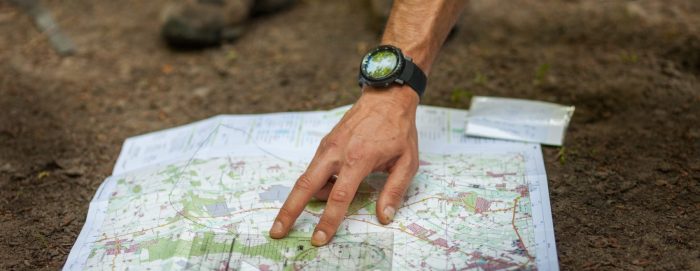
As we conclude this exploration of online wilderness navigation tutorials, it becomes evident that the digital landscape provides a rich and dynamic platform for learning navigation skills. With a blend of technology and expertise, individuals can navigate wilderness settings with confidence and precision, ensuring safety and success in their outdoor adventures.
Commonly Asked Questions
How can online wilderness navigation tutorials benefit me?
Online tutorials offer convenience, cost-effectiveness, and the flexibility to learn at your own pace, making it easier to acquire essential navigation skills.
What types of formats are available for online wilderness navigation tutorials?
These tutorials come in various formats such as videos, articles, interactive courses, and simulations, catering to different learning preferences.
Can online tutorials effectively teach navigation skills compared to traditional methods?
Online tutorials are designed to be engaging and interactive, often incorporating hands-on activities and simulations to enhance the learning experience, proving to be effective in teaching navigation skills.


